
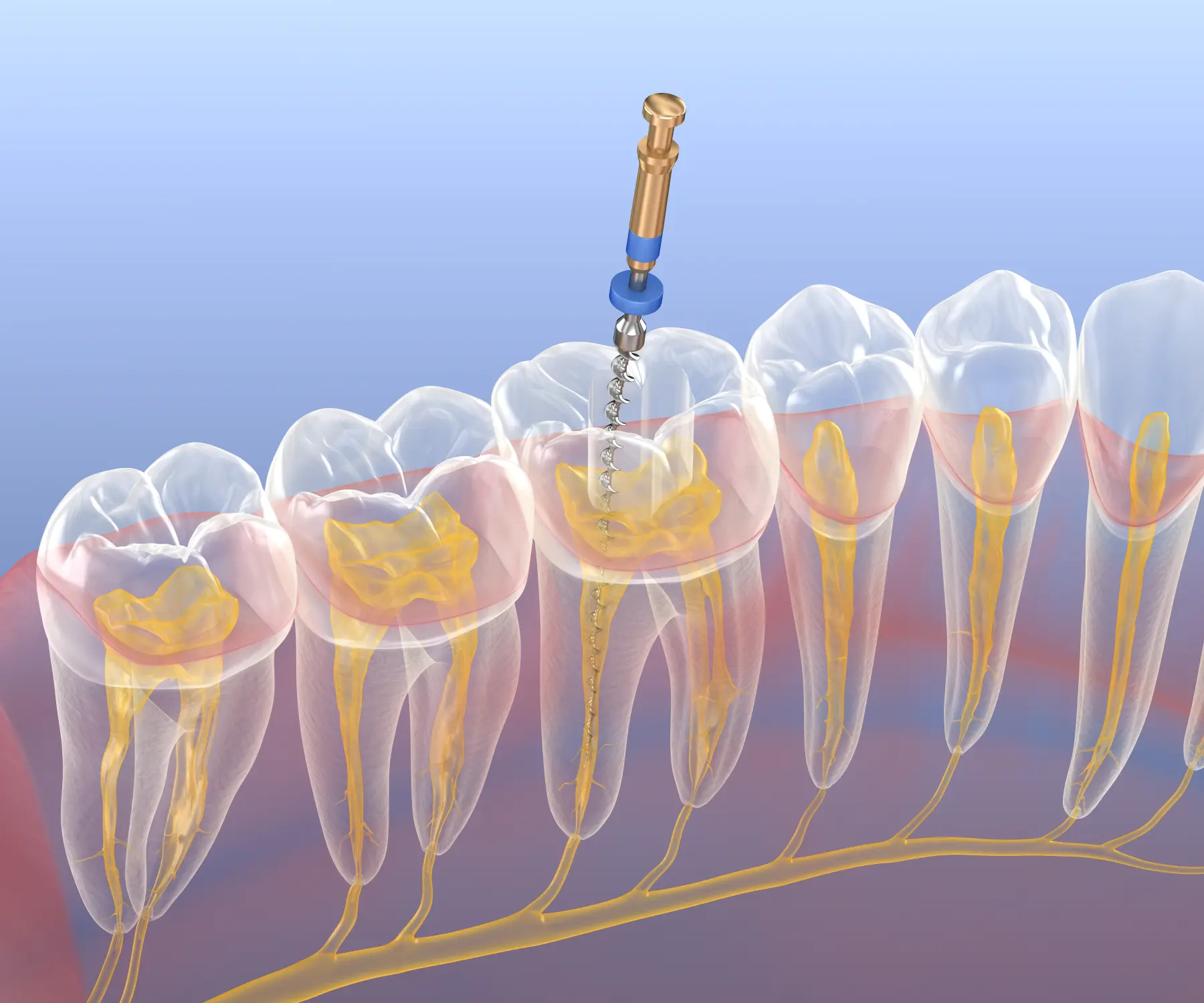
Pain After Root Canal: What You Should Know
Root canals are a common dental procedure designed to save a tooth that might otherwise need to be extracted. However, many patients experience some level of discomfort following the treatment. Understanding what to expect and how to manage any post-procedure pain can help ease your concerns and ensure a smooth recovery. In this blog, we'll explore the typical causes of pain after a root canal, how long it should last, and when you should contact your dentist for further evaluation.
Understanding Post-Procedure Pain
It's important to note that some level of discomfort after a root canal is entirely normal. This procedure involves cleaning and sealing the interior of your tooth, which can irritate surrounding tissues. Most patients experience mild to moderate pain or sensitivity that typically subsides within a few days. Here's what you might encounter:
- Mild Pain: A dull ache or sensitivity when biting down is common and usually manageable with over-the-counter pain relievers.
- Swelling: Slight swelling and irritation around the affected area is normal and should diminish as your body heals.
- Gum Tenderness: The gums around the treated tooth may feel tender to the touch.
When to Contact Your Dentist
While some discomfort is expected, there are instances where you should reach out to your dentist. Contact your dental professional if you experience any of the following symptoms, as they may indicate complications:
- Severe Pain: Intense pain that doesn't improve with medication or worsens over time, similar to your original toothache.
- Persistent Swelling: Swelling that does not subside after a few days.
- Fever: A fever could be a sign of untreated infection and should be addressed promptly.
- Pus or Discharge: Any discharge from the treated area could indicate an infection.
Managing Pain at Home
To alleviate post-root canal discomfort, consider these home care tips:
- Over-The-Counter Pain Relievers: OTC medications like Ibuprofen or acetaminophen can help reduce pain and inflammation.
- Cold Compress: Applying a cold compress to the outside of your cheek can reduce swelling and numb the area as you heal.
- Soft Diet: Stick to soft foods for a few days to avoid putting pressure on the treated tooth.
- Oral Hygiene: Maintain good oral hygiene, but be gentle around the treated area.
Preventing Future Discomfort
While post-procedure pain is often unavoidable, there are steps you can take to minimize discomfort and prevent future oral health issues:
- Follow Your Dentist's Instructions: Adhere to any guidelines provided by your dentist for post-treatment care.
- Regular Dental Check-Ups: Routine visits to your dentist can help identify and address potential issues before they become serious.
- Good Oral Hygiene: Consistent brushing and flossing can prevent further decay and infection.
Your Comfort is Our Priority in Battle Ground, WA
If you're experiencing pain after a root canal or have concerns about your dental health, don't hesitate to reach out to Cornerstone Dental Lounge. Dr. Jeremy Martens and our dedicated team are here to ensure your comfort and provide the care you need. Contact us today at (360) 726-2762 to schedule an appointment in Battle Ground, WA and take the first step toward a pain-free smile.
Recent Articles
Tooth Extraction Healing Stages: Your Ultimate Recovery Guide
What Should I Do if I Crack a Tooth? A Guide to Relief and Repair
Can I Get a Comprehensive Dental Exam and Cleaning Done Before Work?
